Summer hits differently when you have a menstrual cycle. You already know that your body temperature, fluid retention, and thirst signals shift across your four phases. Add heat, humidity, and longer days into that mix, and your hydration needs become genuinely complex. Getting this wrong does not just mean feeling a bit tired. It can mean worsened PMS, heavier cramps, more pronounced mood swings, and hormonal disruption that ripples through your whole cycle.
This guide breaks down exactly how your hydration requirements change by phase, why summer amplifies those changes, and what to actually drink and eat to stay ahead of it.
How does your cycle affect body temperature and fluid balance?
Your core body temperature rises by 0.3 to 0.7 degrees Celsius after ovulation, driven by progesterone, and stays elevated throughout your luteal phase. This thermogenic shift changes how efficiently you sweat, how quickly you become dehydrated, and how your kidneys manage sodium and water balance.
Most people think of hydration as a flat daily target, a number of glasses, a litre count. But your hormones are constantly adjusting the rules. Estrogen supports fluid retention by increasing aldosterone sensitivity, which is why many women notice puffiness in the late follicular and ovulatory phases. Progesterone, on the other hand, has a mild diuretic-like effect, pushing fluid out and raising core temperature at the same time. You are essentially running warmer and losing water faster in the second half of your cycle.
Research published by the National Institutes of Health found that luteal-phase women show higher core body temperatures and increased thermal strain during exercise in the heat, suggesting that fluid losses are meaningfully greater after ovulation compared to the follicular phase.
"Women in the luteal phase begin sweating at a higher core temperature threshold than in the follicular phase. In summer heat, that delay can mean more rapid internal heat accumulation before the cooling response kicks in."
Dr. Nina Stachenfeld, PhD, Senior Scientist, John B. Pierce Laboratory, Yale School of Medicine
Why does summer make hormonal hydration so much harder?
Heat accelerates fluid losses through sweat, increases respiratory water loss, and compounds the already-elevated core temperature of the luteal phase. Together, these factors can double your effective hydration needs compared to a temperate winter day, particularly in the second half of your cycle.
In cooler months, your luteal-phase temperature rise might be negligible in terms of daily fluid needs. In summer, it compounds. Your body is already working hard to dissipate environmental heat through sweat. Adding the progesterone-driven increase in set-point temperature means your thermoregulation system is running on overdrive. Electrolytes, particularly sodium and potassium, are lost at higher rates. If you replace fluid without replacing electrolytes, you risk dilutional hyponatremia, a state where sodium levels drop enough to cause fatigue, brain fog, headaches, and nausea. All of which closely mimic PMS symptoms, making it genuinely hard to know what you are dealing with.
What are the hydration needs for each cycle phase in summer?
Menstrual Phase (Days 1 to 5)
Progesterone and estrogen both drop sharply in this phase. Your body releases the fluid it was holding, prostaglandins drive uterine contractions and can cause loose stools, and many women experience increased urination. In summer, this fluid loss stacks with sweat losses. Warm water and herbal teas are especially well-tolerated here. Prioritise magnesium-rich fluids like diluted coconut water, which also helps ease cramping. Aim for at least 2.5 litres of total fluid daily, and add a pinch of sea salt to one glass of water each morning to replace sodium lost through menstrual flow and heat.
Follicular Phase (Days 6 to 13)
Rising estrogen makes this your most fluid-efficient phase. Your plasma volume expands and your cells hold water well. You may not feel as thirsty even in heat, but that does not mean you need less. Estrogen's interaction with antidiuretic hormone (ADH) means your kidneys are retaining water more effectively, so sweat becomes your primary loss route. Cold-pressed juices, smoothies with electrolyte-rich fruits like watermelon and kiwi, and chilled herbal waters are ideal. You can afford a slightly lower sodium intake here but keep potassium high through whole foods.
Ovulatory Phase (Days 14 to 16)
The LH surge and peak estrogen create a window where many women feel energised, social, and physically capable. It is also when you are most likely to overdo exercise in the heat, attend outdoor events, and drink alcohol at summer gatherings. All of these actions increase fluid losses dramatically. Harvard's T.H. Chan School of Public Health notes that alcohol inhibits ADH release, meaning every alcoholic drink actively increases urine output beyond the volume consumed. If you drink during your ovulatory phase summer social events, match each alcoholic drink with 300ml of electrolyte water, not just plain water.
Luteal Phase (Days 17 to 28)
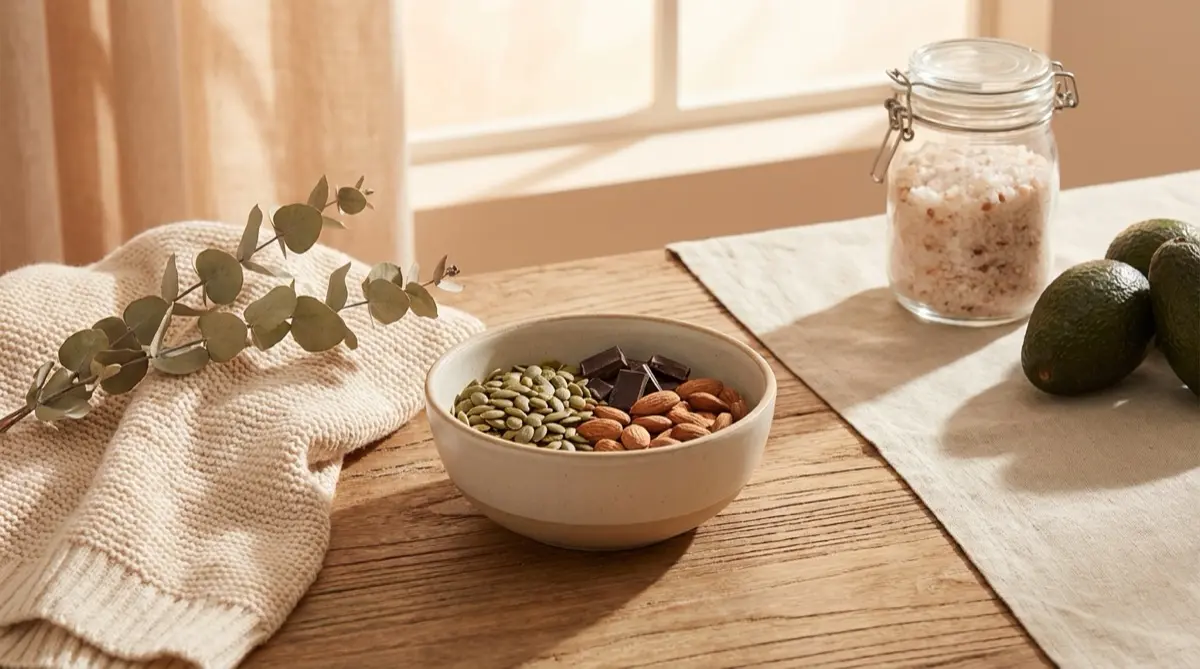
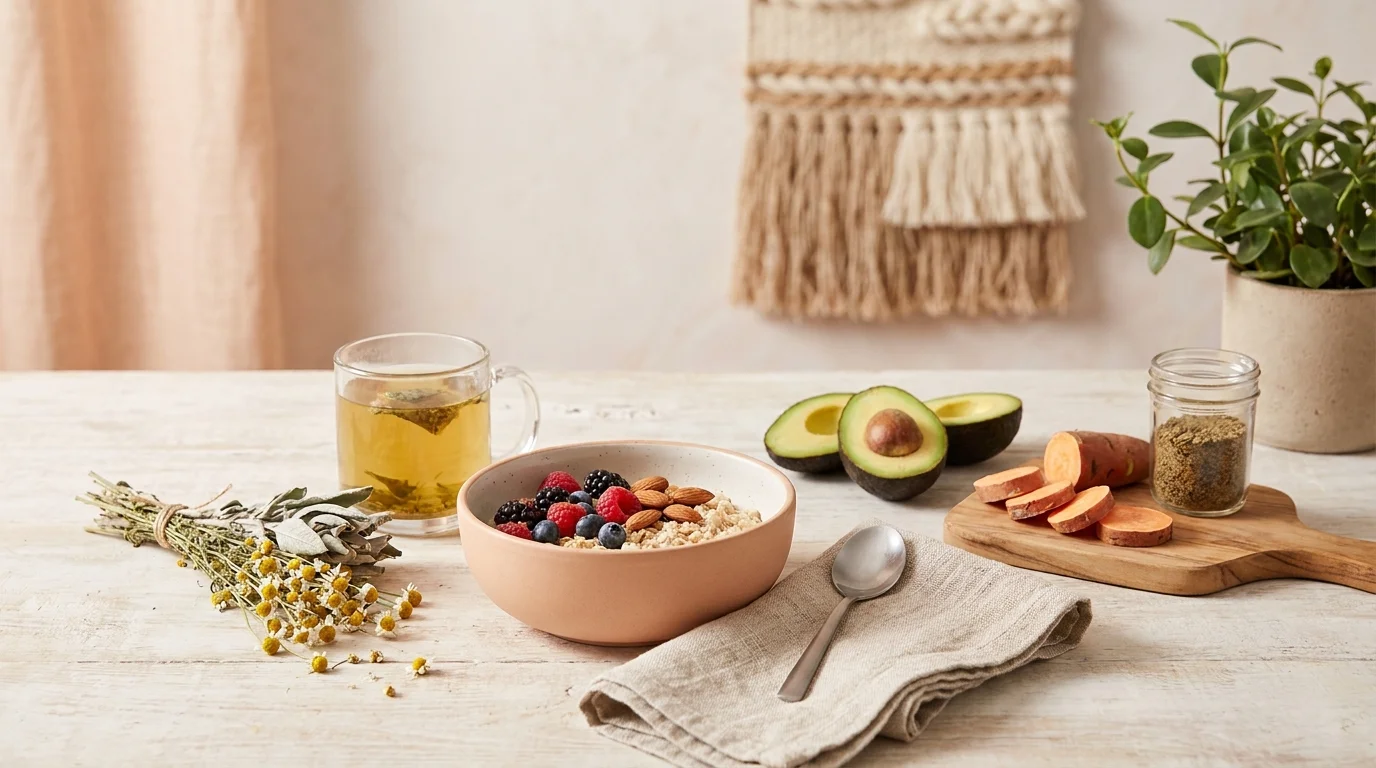
This is your highest-risk phase for summer dehydration. Progesterone elevates your core temperature, reduces your sensitivity to thirst signals, and has a mild diuretic effect. Research from Stachenfeld and colleagues at Yale found that luteal-phase women need to consume more fluid to achieve the same plasma volume expansion as follicular-phase women, particularly in warm environments. Your target in summer should be 3 litres minimum on sedentary days, rising to 3.5 to 4 litres on active or high-heat days. Electrolyte-rich foods become critical: avocado, banana, leafy greens, sweet potato, and pumpkin seeds.
What electrolytes matter most across your summer cycle?
Sodium, potassium, and magnesium are your three critical electrolytes across all cycle phases in summer. Their optimal intake and sources shift depending on where you are in your cycle, because your hormones directly influence how each one is absorbed, retained, and excreted.
Sodium
Your kidneys' handling of sodium is directly modulated by estrogen and progesterone via their effects on aldosterone. In the follicular phase, estrogen supports sodium retention, meaning your needs are lower. In the luteal phase, especially in summer heat, you lose more sodium through sweat and the mild diuretic effect of progesterone. A small amount of added salt in meals or water is not a bad thing here. Think quality sea salt or pink Himalayan salt, not processed food sodium.
Potassium
Potassium works alongside sodium to maintain fluid balance inside cells. It is also critical for smooth muscle function, which includes your uterus. Low potassium worsens cramping and can intensify PMS mood symptoms. Potassium-rich hydration sources like coconut water, watermelon juice, and cucumber water are especially useful in the menstrual and luteal phases.
Magnesium
Magnesium deserves special attention in summer. It is lost through sweat at meaningful rates and its deficiency is already widespread in cycling women. Low magnesium in the luteal phase is directly linked to increased PMS severity. If you are sweating heavily in summer heat, your dietary magnesium alone may not be sufficient. Consider a magnesium glycinate supplement of 200 to 400mg in the luteal phase, taken at night.
"Many women interpret luteal-phase fatigue and mood changes as purely hormonal when they are partly electrolyte depletion driven by heat exposure. Replenishing magnesium and potassium can meaningfully shift the symptom picture."
Dr. Lara Briden, ND, Author of "Period Repair Manual", Naturopathic Gynaecologist
What are the best summer hydration foods by cycle phase?
Drinking water is only part of the picture. In summer, food-based hydration can contribute 20 to 30 percent of your total fluid intake. Here is how to stack your plate with intention:
Menstrual Phase
- Watermelon: 92 percent water, contains lycopene and magnesium
- Cucumber: cooling, high potassium, supports prostaglandin-related inflammation
- Bone broth: rich in minerals lost during menstruation
- Miso soup: sodium and probiotics for gut health during hormonal fluctuation
Follicular Phase
- Strawberries, peaches, and cantaloupe: all over 85 percent water and estrogen-metabolism-supporting polyphenols
- Lettuce and celery: very high water content, light on digestion
- Green smoothies with coconut water base: efficient electrolyte delivery
Ovulatory Phase
- Bell peppers: 92 percent water, high vitamin C for liver estrogen clearance
- Tomatoes: lycopene and fluid
- Chilled herbal teas: hibiscus, rose, and raspberry leaf are all cooling and cycle-supportive
Luteal Phase
- Avocado: potassium-rich, supports progesterone-phase healthy fat needs
- Sweet potato: potassium and complex carbohydrates for serotonin and fluid balance
- Pumpkin seeds: magnesium powerhouse
- Coconut water: natural electrolyte replenishment without added sugar
Are sports drinks safe to use for cycle-phase hydration?
Most commercial sports drinks are formulated for high-intensity athletic performance and contain sugar levels and artificial additives that are not appropriate for everyday cycle-phase hydration. For most cycling women in summer, a homemade electrolyte drink is both safer and more effective.
A simple recipe that works across all phases: 500ml filtered water, the juice of half a lemon, a quarter teaspoon of sea salt, a teaspoon of raw honey (reduce in luteal phase if you are sensitive to blood sugar swings), and a pinch of cream of tartar for potassium. This gives you a balanced sodium-potassium ratio without artificial dyes, excessive sugar, or stimulants.
- Menstrual: 2.5 litres minimum, warm and mineral-rich fluids prioritised
- Follicular: 2 to 2.5 litres, food-based hydration highly efficient
- Ovulatory: 2.5 to 3 litres, increase by 500ml per alcoholic drink consumed
- Luteal: 3 to 4 litres, electrolyte replenishment critical in heat
What signs suggest you are dehydrated during your cycle?
Dehydration in cycling women is frequently misattributed to hormonal symptoms. Before assuming a bad PMS week or a difficult period, check whether any of these apply: dark urine, headaches that worsen in the afternoon, fatigue that is not relieved by sleep, increased sugar cravings, feeling dizzy when standing, and worsened bloating. All of these can be driven by inadequate fluid and electrolyte intake rather than, or in addition to, hormonal shifts. In summer, these signals tend to arrive faster and be more pronounced.
Your thirst mechanism is also less reliable in the luteal phase. Research confirms that progesterone raises the osmotic threshold at which thirst is triggered, meaning you may be dehydrated before you feel thirsty. Scheduled drinking, a glass of water at fixed points in the day regardless of thirst, is more effective than intuitive drinking in this phase, particularly in hot weather.
- Core body temperature rises 0.3 to 0.7°C after ovulation due to progesterone. NIH, 2014
- Luteal-phase women require more fluid than follicular-phase women to maintain equal plasma volume in heat. Stachenfeld et al., Yale, 2000
- Alcohol inhibits antidiuretic hormone (ADH), increasing urine output beyond volume consumed. Harvard T.H. Chan School of Public Health
- Magnesium deficiency is present in up to 75 percent of women in Western countries. NIH Office of Dietary Supplements
- Food can contribute 20 to 30 percent of total daily fluid intake in summer. Harvard T.H. Chan School of Public Health