The Overlooked Mineral Your Hormones Depend On
When most people think about nutrients for hormone health, magnesium, vitamin D, or omega-3s tend to get top billing. Zinc rarely gets its moment in the spotlight. Yet this essential trace mineral is involved in over 300 enzymatic reactions in the body, many of them directly tied to how your hormones are produced, regulated, and cleared. From the moment a follicle begins to mature in your ovaries to the final days of your luteal phase, zinc is quietly doing critical work behind the scenes.
If you experience painful periods, stubborn acne that flares with your cycle, irregular ovulation, or PMS symptoms that feel impossible to manage, low zinc status could be a significant piece of the puzzle. Here is everything you need to know about zinc and your menstrual cycle, including how to get enough of it through food and when supplementation might be worth considering.
What Zinc Actually Does in Your Body
Zinc is classified as an essential trace mineral, meaning your body cannot make it and must obtain it through diet. Despite being needed in relatively small amounts, it plays an outsized role in human physiology. It supports immune function, wound healing, DNA synthesis, and cellular growth. But its relationship with hormonal health is particularly significant.
Zinc is required for the synthesis and secretion of follicle-stimulating hormone (FSH) and luteinizing hormone (LH), the two pituitary hormones that drive your menstrual cycle. It also plays a role in the production of progesterone after ovulation, supports thyroid hormone metabolism, and helps regulate insulin sensitivity. Even your body's ability to clear excess estrogen through the liver depends in part on zinc-dependent enzymes.
"Zinc is one of the most important micronutrients for reproductive function. Its role in follicular development, ovulation, and luteal phase support makes it essential for any woman looking to optimise her cycle health."
- Dr. Anita Mitra, PhD, MBBCh, MRCOG, Gynaecologist and Author, NHS UK
Zinc and Ovulation: A Direct Connection
One of zinc's most important roles in the menstrual cycle is its direct involvement in ovulation. Research has shown that zinc accumulates in the egg cell (oocyte) during follicular development and is essential for the final maturation of the egg before it is released. In fact, scientists have identified what they call a "zinc spark" at the moment of fertilisation, a rapid release of zinc from the egg that triggers a cascade of cellular changes.
Even outside the context of fertility, this tells us something important: without adequate zinc, follicular development can be impaired. Studies published in the journal Reproduction have found that zinc deficiency disrupts the hormonal signalling needed for ovulation, potentially leading to anovulatory cycles (cycles where no egg is released) or a shortened, inadequate luteal phase.
Research from the NIH National Library of Medicine confirms that zinc plays a critical structural and signalling role in mammalian oocyte development and maturation.Zinc and Progesterone: Supporting Your Luteal Phase
After ovulation, the ruptured follicle transforms into the corpus luteum, a temporary endocrine structure that produces progesterone. Progesterone is the hormone responsible for stabilising the uterine lining, supporting early pregnancy if conception occurs, and keeping PMS symptoms in check. Zinc is required for the corpus luteum to function properly and produce adequate progesterone.
When zinc levels are insufficient, progesterone output can fall short, contributing to what is known as luteal phase defect. Symptoms of low progesterone include spotting before your period, a luteal phase shorter than ten days, heightened anxiety and irritability in the second half of your cycle, breast tenderness, and heavier-than-normal periods.
Key Takeaway
Zinc supports progesterone production after ovulation. If you regularly experience PMS, mood swings in the second half of your cycle, or spotting before your period, low zinc may be worth investigating with your healthcare provider.
Zinc and Period Pain: What the Research Shows
Painful periods (dysmenorrhoea) affect a significant proportion of menstruating people, and zinc may offer meaningful relief. The mechanism comes down to prostaglandins: inflammatory compounds produced by the uterine lining that cause it to contract and shed during menstruation. When prostaglandin levels are excessively high, cramps can be severe.
Zinc has natural anti-inflammatory properties and has been shown to inhibit the production of certain prostaglandins. A randomised controlled trial published via the National Institutes of Health found that zinc supplementation significantly reduced the severity of primary dysmenorrhoea compared to placebo.
A study in the British Journal of Obstetrics and Gynaecology found that zinc supplementation reduced dysmenorrhoea severity and improved quality of life in participants with primary painful periods."For patients with primary dysmenorrhoea who have not responded well to standard care, I always consider nutritional status, particularly zinc and magnesium. The evidence base for both is growing and they are well-tolerated interventions."
- Dr. Lara Briden, ND, Naturopathic Doctor and Author of Period Repair Manual, Private Practice
Zinc, Acne, and Hormonal Skin
If your skin flares in the days leading up to your period, zinc could make a meaningful difference. Hormonal acne, particularly the deep, cystic type that appears along the jawline and chin, is often linked to elevated androgens (like testosterone) and increased sebum production in the luteal phase.
Zinc works on hormonal skin in several ways. It inhibits the enzyme 5-alpha-reductase, which converts testosterone into its more potent form dihydrotestosterone (DHT). DHT is a key driver of sebaceous gland activity and acne formation. Zinc also has direct antimicrobial effects against the bacteria associated with acne and reduces local skin inflammation. Several clinical trials have found oral zinc supplementation to be as effective as certain antibiotics for inflammatory acne, without the risks of antibiotic resistance.
Signs You Might Be Low in Zinc
Zinc deficiency is more common than most people realise, particularly in women of reproductive age who follow plant-heavy diets, have gastrointestinal conditions that impair absorption, or experience heavy menstrual bleeding. Because zinc is not stored in significant quantities in the body, your intake needs to be consistent.
Common signs that your zinc status might be suboptimal include:
- Irregular or absent periods
- Painful or heavy periods
- Worsening PMS in the luteal phase
- Frequent hormonal breakouts, especially before menstruation
- Poor wound healing or slow recovery from illness
- Hair thinning or increased shedding
- White spots on fingernails (a classic but often misattributed sign)
- Reduced sense of taste or smell
It is worth noting that standard serum zinc blood tests do not always accurately reflect cellular zinc status. If you suspect deficiency, discussing a full nutritional panel with your GP or a registered dietitian is the best path forward.
The Best Food Sources of Zinc
Zinc is found in both animal and plant foods, though the form matters. Animal-based zinc (found in meat, shellfish, and dairy) is significantly more bioavailable than plant-based zinc, which is bound to compounds called phytates that inhibit absorption.
Top food sources of zinc include:
- Oysters: By far the richest source, providing around 74mg per 85g serving
- Beef and lamb: Excellent sources of highly bioavailable zinc
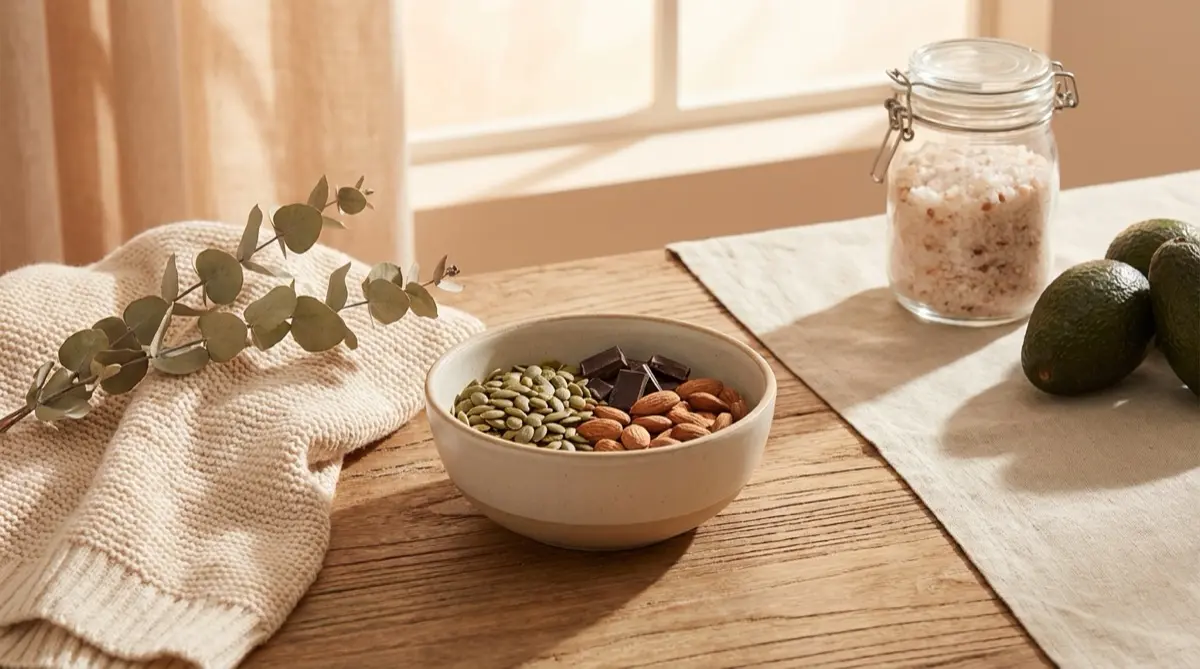
- Pumpkin seeds: The best plant-based option, with around 2.2mg per 28g serving
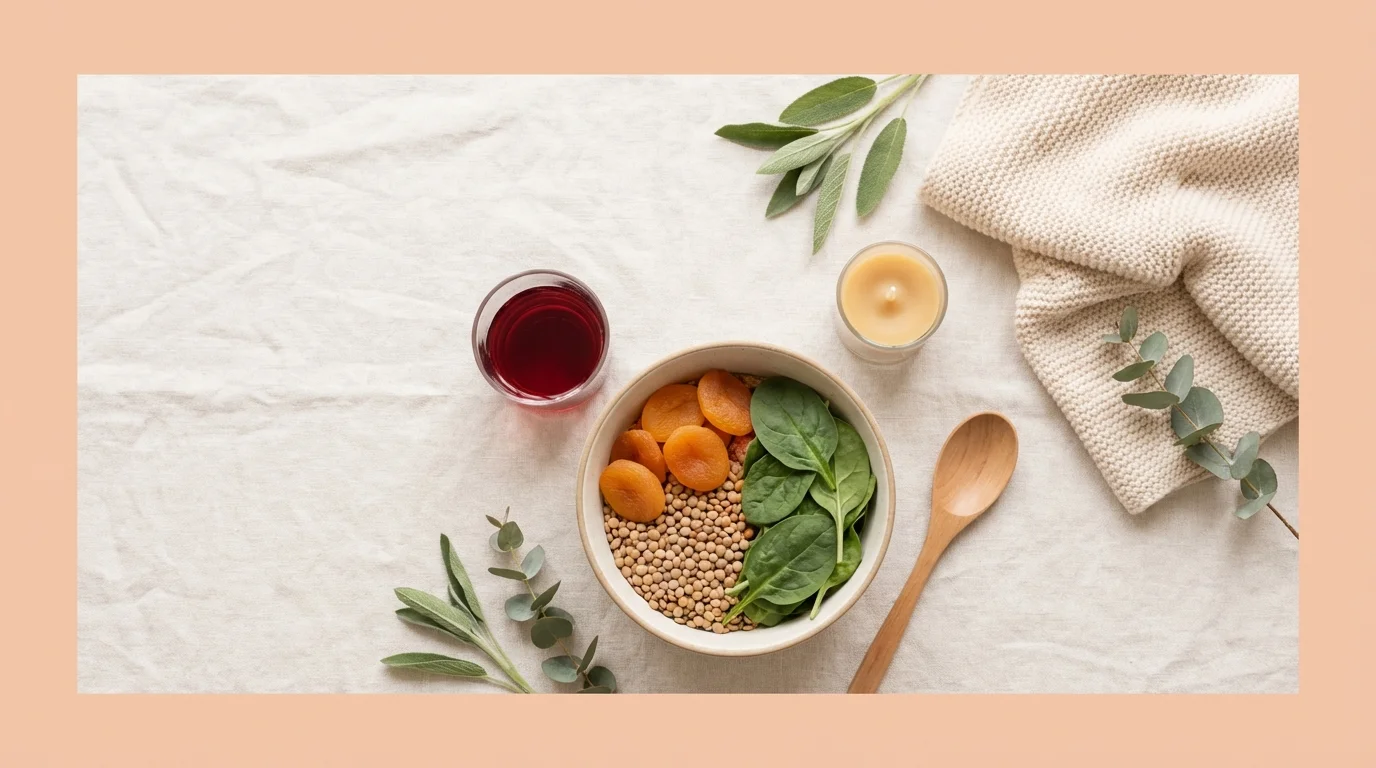
- Chickpeas and lentils: Good sources when eaten regularly, especially when soaked or sprouted to reduce phytate content
- Hemp seeds: A versatile plant-based source easy to add to smoothies or porridge
- Cashews: Provide around 1.6mg per 28g serving
- Eggs: A moderate source that is easy to include daily
- Dairy products: Particularly hard cheeses like cheddar
Improving Zinc Absorption From Plant Foods
If you follow a vegetarian or vegan diet, you can meaningfully improve zinc absorption with a few simple strategies. Phytates, the main antinutrient that blocks zinc absorption, are significantly reduced through soaking, sprouting, and fermenting grains and legumes. Cooking also helps. Pairing zinc-rich plant foods with a source of vitamin C and a protein source further improves bioavailability. Avoiding very high-fibre foods alongside your zinc-rich meal can also make a difference, as fibre can further bind to minerals in the gut.
The NIH Office of Dietary Supplements provides a comprehensive overview of zinc absorption, recommended intakes, and the impact of dietary factors on bioavailability.Zinc Supplementation: What to Know
If dietary zinc is insufficient or absorption is impaired, supplementation can be a useful short-term strategy. The recommended dietary allowance (RDA) for zinc in adult women is 8mg per day, rising to 11mg during pregnancy. Most zinc supplements contain between 15mg and 50mg per dose, so it is important not to take more than needed.
The form of zinc matters. Zinc picolinate, zinc bisglycinate, and zinc citrate are among the most bioavailable and least likely to cause the nausea that can come with zinc sulfate. Always take zinc with food to minimise gastrointestinal discomfort, and avoid taking it alongside iron or calcium supplements, which compete for absorption at the same receptor sites.
Long-term high-dose zinc supplementation (above 40mg per day) can deplete copper, another essential mineral, so if you supplement for more than a few months, consider choosing a zinc-copper combination formula or ensuring you get adequate copper through diet.
Cycle Phase Zinc Strategy
Follicular phase: Focus on zinc-rich foods to support follicular development and rising estrogen. Ovulation: Zinc needs peak here to support egg maturation. Luteal phase: Consistent zinc intake supports progesterone production and reduces PMS inflammation. Menstruation: Replenish zinc lost through menstrual blood, particularly if your periods are heavy.
Zinc and PCOS: A Special Consideration
For those with polycystic ovary syndrome (PCOS), zinc deserves particular attention. PCOS is characterised by elevated androgens, irregular ovulation, and insulin resistance, and zinc addresses all three of these mechanisms to some degree. Research has found that women with PCOS tend to have lower circulating zinc levels compared to those without the condition, and that zinc supplementation can reduce markers of androgen excess, improve insulin sensitivity, and support more regular ovulation.
A 2016 randomised controlled trial found that zinc supplementation improved hormonal profiles, reduced testosterone levels, and decreased markers of inflammation in women with PCOS. While zinc is not a substitute for medical care, it is one of the most evidence-backed nutritional interventions for this condition.
Key Statistics and Sources
- Around 17% of the global population is estimated to be at risk of zinc deficiency, with higher rates in women of reproductive age. WHO
- Zinc supplementation reduced primary dysmenorrhoea severity by up to 44% compared to placebo in clinical trials. PubMed
- Women following vegetarian or vegan diets may need up to 50% more dietary zinc than omnivores due to phytate-related absorption issues. NIH ODS
- Studies show zinc supplementation reduced serum testosterone levels in women with PCOS by a statistically significant margin. NIH PubMed Central
- The RDA for zinc in adult women is 8mg per day, rising to 11mg in pregnancy and 12mg during lactation. NIH ODS
- Zinc is involved in over 300 enzymatic reactions in the human body, including those governing hormone synthesis and metabolism. NIH PubMed Central