When Inflammation and Hormones Collide
You've probably heard "inflammation" thrown around a lot lately - and for good reason. Chronic, low-grade inflammation is now understood to be a silent disruptor of nearly every system in your body, including your hormonal health. But here's what often gets missed in the conversation: your menstrual cycle is exquisitely sensitive to inflammatory signals. The food on your plate three times a day can either fan the flames of hormonal chaos or quietly, consistently work to restore balance.
This isn't about following a restrictive diet or eliminating entire food groups. It's about understanding the relationship between what you eat, how your immune system responds, and how that response shapes your cycle - from ovulation quality to period pain to the severity of your PMS symptoms.
What Is Inflammation, Really?
Inflammation is your body's natural defense mechanism. When you sprain an ankle or fight off a virus, acute inflammation is your friend - it mobilises immune cells, promotes healing, and then resolves. The problem arises when inflammation becomes chronic and systemic: a low-level, ongoing immune activation driven by poor diet, stress, disrupted sleep, environmental toxins, and gut imbalances.
Chronic inflammation speaks directly to your endocrine system. It can impair the sensitivity of hormone receptors, disrupt the production of progesterone, and amplify estrogen's effects in ways that drive symptoms like heavy periods, painful cramps, worsening PMS, and even conditions like endometriosis and PCOS.
"Inflammation and ovarian function are deeply intertwined. We see elevated inflammatory markers in women with irregular cycles, anovulation, and more severe premenstrual symptoms - and diet is one of the most modifiable drivers of that inflammatory load." - Dr. Felice Gersh, MD, OB/GYN and Integrative Medicine Specialist, Integrative Medical Group of Irvine
How Inflammation Disrupts Your Hormones
Let's get specific. Here are the key mechanisms by which chronic inflammation throws your cycle off balance:
It Impairs Progesterone Production
Progesterone is your calming, cycle-stabilising hormone, produced primarily by the corpus luteum after ovulation. Inflammatory cytokines - chemical messengers like IL-6 and TNF-alpha - can inhibit corpus luteum function, reducing progesterone output. Low progesterone relative to estrogen (sometimes called estrogen dominance) is linked to PMS, anxiety, sleep disruption, heavy periods, and difficulty conceiving.
It Amplifies Prostaglandins
Prostaglandins are hormone-like compounds responsible for triggering uterine contractions during menstruation. When your diet is high in inflammatory omega-6 fatty acids (found in refined seed oils and processed foods), your body produces more of the pro-inflammatory prostaglandin PGE2 and PGF2α - the compounds directly responsible for period cramps. Research published via the NIH confirms that women with higher dietary omega-6 to omega-3 ratios experience significantly more dysmenorrhea (painful periods).
It Disrupts Insulin Sensitivity
Chronic inflammation and insulin resistance are bidirectional - each worsens the other. Elevated insulin promotes the ovaries to produce more androgens (testosterone-like hormones), which can suppress ovulation, drive acne and hair changes, and is a central mechanism in PCOS. Keeping inflammation low through diet is therefore one of the most effective strategies for maintaining healthy insulin sensitivity and supporting regular ovulation.
It Burdens the Liver
Your liver is your primary hormone-processing organ, responsible for packaging used estrogen for elimination. When the liver is under inflammatory stress - from excess sugar, alcohol, processed fats, or environmental toxins - its ability to clear estrogen efficiently is compromised. This can contribute to estrogen accumulation and the symptoms associated with it.
The Anti-Inflammatory Plate: What to Prioritise
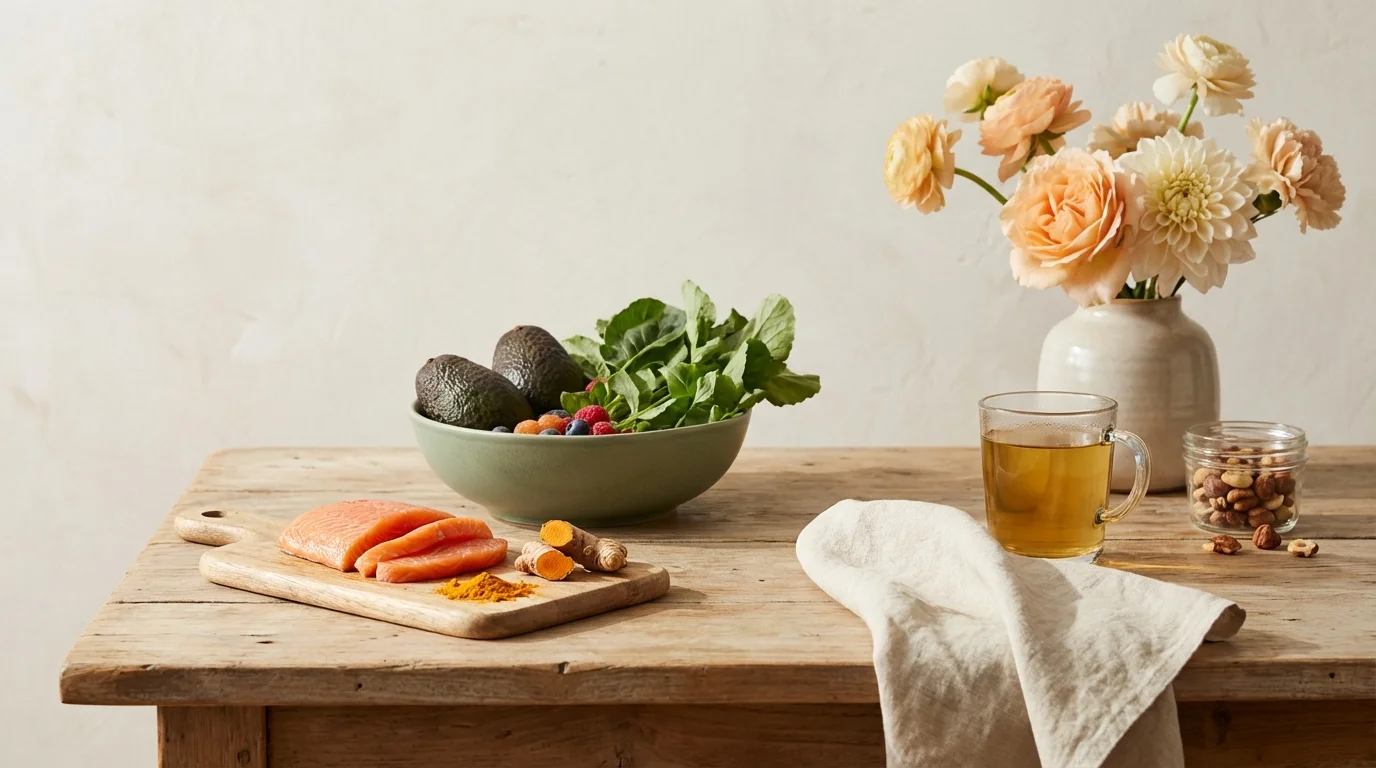
The good news is that the anti-inflammatory diet isn't a niche protocol. It largely overlaps with the Mediterranean diet, which has decades of research behind it and is widely recognised as one of the most hormone-supportive dietary patterns available.
Omega-3 Fatty Acids
If there's one dietary shift that will have the most immediate impact on period pain and hormonal inflammation, it's increasing your omega-3 intake. Found abundantly in fatty fish (salmon, sardines, mackerel, anchovies), flaxseeds, chia seeds, and walnuts, omega-3s directly counteract the pro-inflammatory prostaglandins that cause cramping. A study available through the National Institutes of Health found that omega-3 supplementation significantly reduced the severity of dysmenorrhea compared to placebo, with some participants able to reduce their use of NSAIDs like ibuprofen.
Aim for two to three servings of oily fish per week, and consider adding ground flaxseed or chia seeds to your daily routine.
Colourful Vegetables and Fruits
The polyphenols and antioxidants found in brightly coloured plants - think blueberries, leafy greens, beetroot, red cabbage, and turmeric - directly neutralise free radicals and dampen inflammatory signalling pathways. Cruciferous vegetables (broccoli, cauliflower, Brussels sprouts, kale) deserve a special mention: they contain indole-3-carbinol and DIM (diindolylmethane), compounds that support healthy estrogen metabolism in the liver.
Quality Fats and Olive Oil
Extra virgin olive oil is rich in oleocanthal, a natural compound with anti-inflammatory properties comparable to low-dose ibuprofen. It also supports healthy cell membrane function, which is critical for hormone receptor sensitivity - meaning your cells can actually "hear" hormonal signals more clearly. Use it liberally as your primary cooking and dressing fat, in place of refined vegetable oils like sunflower or canola.
Fibre and Fermented Foods
A fibre-rich diet feeds beneficial gut bacteria and supports healthy estrogen excretion. Soluble fibre (from oats, legumes, apples, and flaxseed) binds to estrogen metabolites in the digestive tract and helps carry them out of the body. Fermented foods - yoghurt, kefir, kimchi, sauerkraut, miso - introduce beneficial bacteria that support the gut's estrobolome, the community of microbes responsible for processing estrogen. You can read more about the estrobolome connection in our deep-dive article on gut health and hormones.
Herbs and Spices
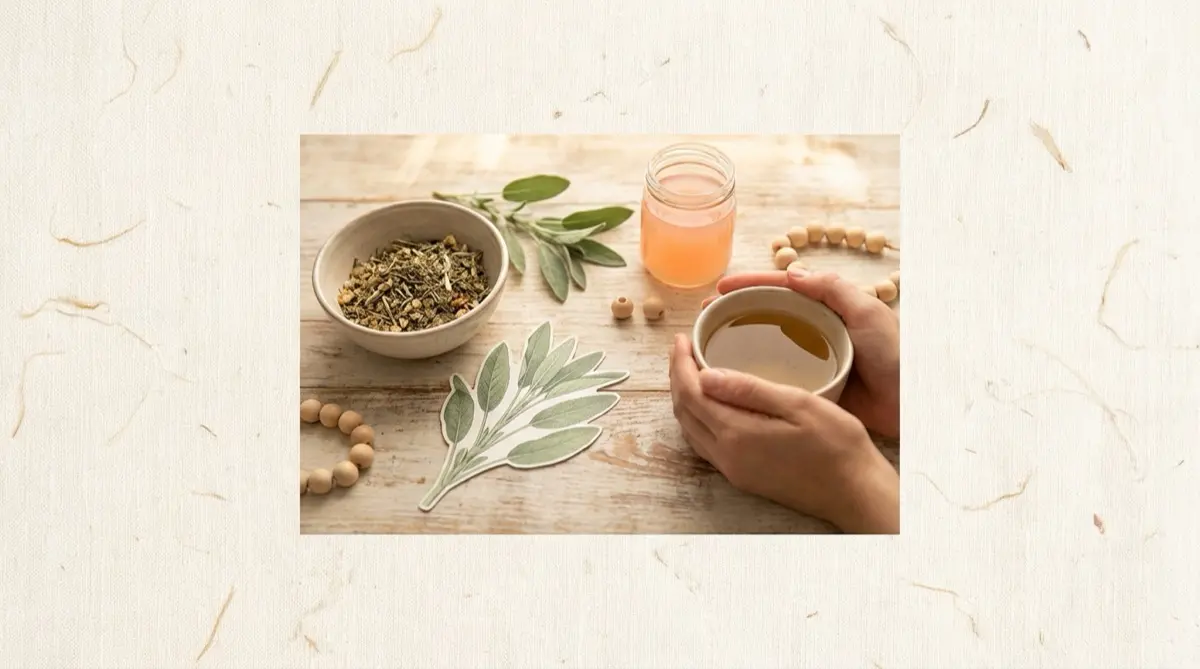
Turmeric (curcumin), ginger, cinnamon, and rosemary are among the most researched anti-inflammatory botanicals. Ginger, in particular, has impressive clinical evidence for reducing period pain. A randomised controlled trial indexed on PubMed found that ginger was as effective as ibuprofen and mefenamic acid in relieving the severity of primary dysmenorrhea. Adding fresh ginger to smoothies, teas, and stir-fries is a genuinely therapeutic habit - not just a wellness trend.
What to Reduce or Avoid
Anti-inflammatory eating is as much about what you crowd out as what you add in.
Refined Sugar and Processed Carbohydrates
Rapid blood sugar spikes trigger an immediate inflammatory response and drive insulin surges that ripple through your hormonal system. Ultra-processed foods - white bread, pastries, packaged snacks, sugary drinks - are among the most reliable drivers of systemic inflammation. Reducing these doesn't mean eliminating all treats; it means making whole, minimally processed carbohydrates (sweet potatoes, brown rice, oats, legumes) your foundation.
Refined Seed Oils
Vegetable oils high in omega-6 fatty acids - sunflower oil, corn oil, soybean oil, margarine - shift the omega-6 to omega-3 ratio in ways that promote inflammatory prostaglandin production. While omega-6 fats aren't inherently harmful in balance, the modern diet contains them in dramatically disproportionate quantities. Swapping refined seed oils for olive oil, avocado oil, ghee, or coconut oil is one of the most impactful practical changes you can make.
Alcohol
Alcohol is both directly inflammatory and a significant burden on liver function. It impairs the liver's ability to process and eliminate estrogen, raising circulating estrogen levels and worsening symptoms associated with estrogen excess. Even moderate regular alcohol consumption has been associated with increased inflammatory markers and disrupted hormonal patterns.
"The Mediterranean dietary pattern consistently outperforms other dietary approaches in clinical studies of hormonal and inflammatory outcomes in women. It's not a trend - it's the most evidence-backed framework we have for cycle health through food." - Dr. Lara Briden, ND, Naturopathic Doctor and Author, Period Repair Manual
Eating Through Your Cycle: An Anti-Inflammatory Lens
While an anti-inflammatory diet is beneficial year-round, you can layer in cycle-aware adjustments to maximise impact:
- Menstrual phase: Prioritise iron-rich foods (red meat, lentils, leafy greens) alongside vitamin C for absorption. Ginger tea and omega-3-rich foods are particularly valuable now for reducing prostaglandin-driven cramps.
- Follicular phase: Lighter, plant-forward meals support rising estrogen. Fermented foods, cruciferous vegetables, and fresh fruits align well with the body's increased metabolic flexibility.
- Ovulatory phase: Anti-oxidant-rich foods support egg quality and ovulation. Brazil nuts (selenium), leafy greens, and berries are excellent choices.
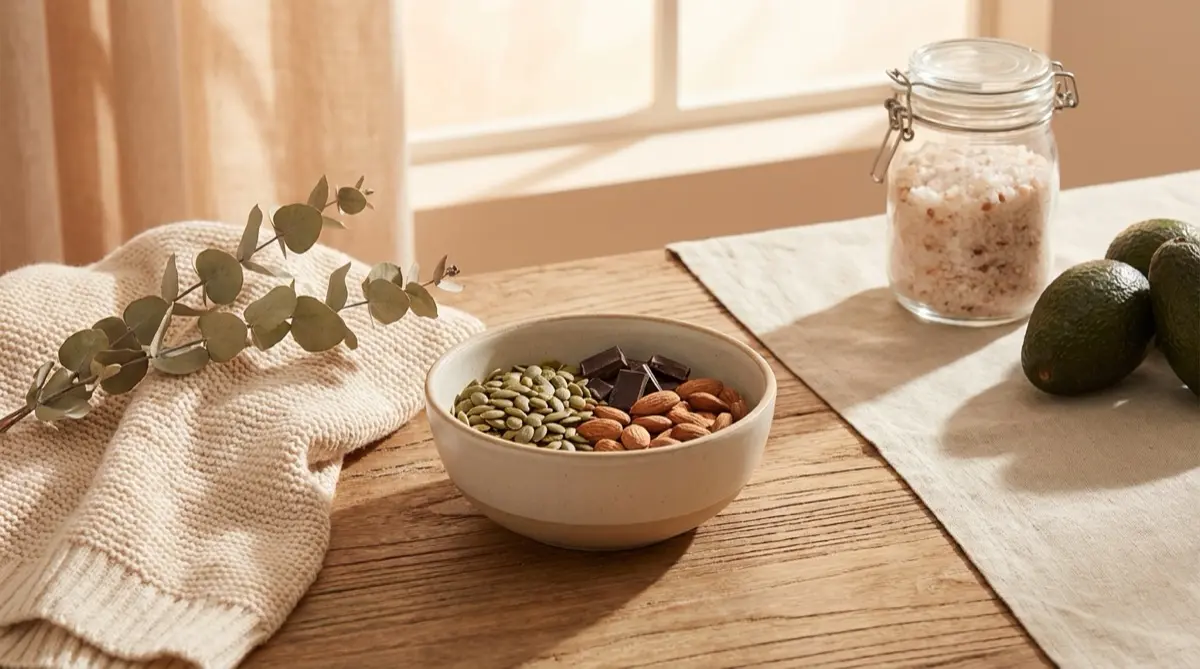
- Luteal phase: This is when cravings and inflammation tend to peak. Magnesium-rich foods (dark chocolate, pumpkin seeds, leafy greens), complex carbohydrates to stabilise serotonin, and warming omega-3-rich meals are your allies.
A Practical Starting Point
The anti-inflammatory diet doesn't need to be overwhelming or all-or-nothing. If you're starting from scratch, try focusing on just two changes at a time: swap refined seed oils for olive oil, and add one extra serving of oily fish or omega-3-rich plant food each week. Build from there.
Track your symptoms in Harmony as you make dietary shifts - many women notice meaningful changes in period pain, PMS mood symptoms, and energy levels within two to three cycles of consistent anti-inflammatory eating. Your body is remarkably responsive when you give it the right signals.
📊 Key Statistics & Sources
- Up to 90% of women experience some form of dysmenorrhea (painful periods), with prostaglandin overproduction as the primary driver. - NIH / StatPearls
- Women with the highest omega-3 intake have significantly lower rates of severe period pain compared to those with the lowest intake. - NIH, 2011
- Ginger supplementation was shown to be as effective as ibuprofen in reducing primary dysmenorrhea in a double-blind RCT. - PubMed, 2009
- The Mediterranean diet is associated with a 22% lower risk of premenstrual disorders in large observational studies. - Harvard T.H. Chan School of Public Health
- Elevated CRP (a key inflammatory marker) is independently associated with longer, more painful menstrual cycles. - NIH, 2014
- Cruciferous vegetable consumption is linked to healthier estrogen metabolite ratios in premenopausal women. - National Cancer Institute